When Water Moves Through Hidden Spaces
Water Damage Restoration in Evansville for burst pipes, appliance failures, and ceiling stains that signal ongoing intrusion
Restoration 1 of Evansville handles water damage restoration when water has moved beyond the obvious puddle on your floor and begun traveling through wall cavities, under flooring, or into crawl spaces where you cannot see it working against the structure. You find yourself dealing with this service after a washing machine hose fails while you are at work, a toilet supply line splits overnight, or storm water finds a way through your foundation and pools beneath the house. The standing water you can see represents only part of what needs attention.
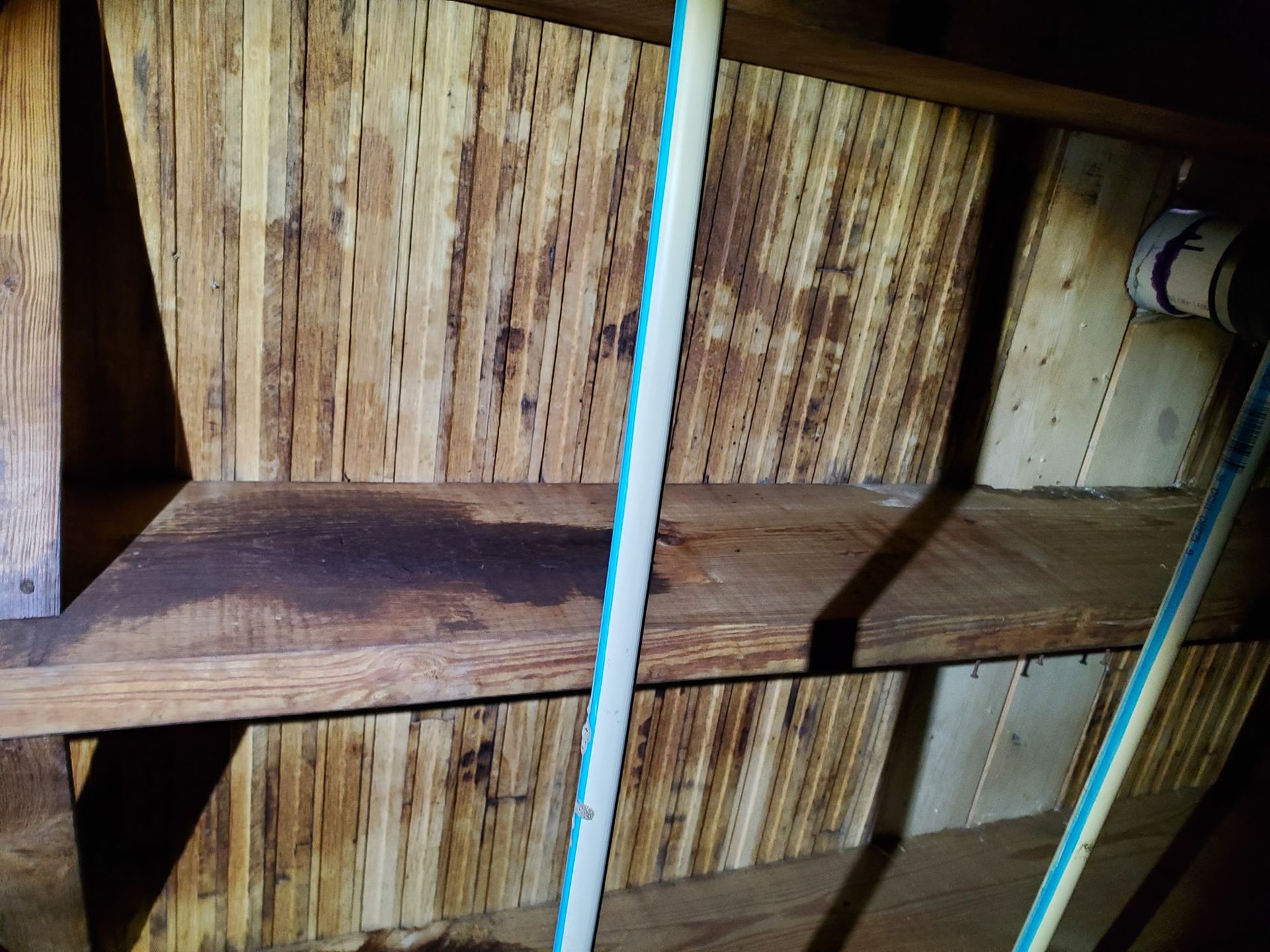
The work starts with commercial-grade moisture detection equipment that measures water content inside materials you cannot easily inspect. Technicians map the affected areas, then position air movers and dehumidifiers throughout the structure to pull moisture from wood framing, insulation, and subfloors before secondary damage such as mold growth or wood rot can take hold. The extraction phase removes free-standing water, while the drying phase addresses moisture trapped in porous materials. This process typically runs continuously for several days, with daily monitoring to track drying progress and adjust equipment placement as conditions change.
If you are managing a water event in your home or building, contact the team to begin moisture mapping and drying before the damage extends further into the structure.
What Happens During Structural Drying
You will notice equipment placed in multiple rooms, even those that did not show visible water, because moisture migrates through floor joists and behind baseboards. Technicians document moisture readings at each visit and photograph affected areas to support your insurance claim, which often moves faster when paired with thorough records showing the scope of damage and the steps taken to mitigate it. The equipment runs continuously, and you may need to leave windows closed or doors open depending on indoor and outdoor humidity levels.
After drying is complete, your floors will no longer feel spongy underfoot, and you will not detect the damp, stale odor that signals trapped moisture. Restoration 1 of Evansville removes all equipment once moisture readings return to normal ranges, and the space is ready for any necessary reconstruction such as replacing drywall sections or refinishing flooring that could not be saved. Your insurance adjuster receives a final report detailing the equipment used, the duration of drying, and the materials removed or restored.
The service does not include rebuilding walls or installing new flooring, but it does include moving furniture when necessary to access wet areas and cleaning salvageable contents affected by water. Homeowners sometimes assume that opening windows will dry the structure adequately, but controlled drying with calibrated equipment prevents warping, cupping, and microbial growth that appears weeks later when conditions inside the material remain favorable.
Questions About the Drying Process
Homeowners managing water damage for the first time often ask about timelines, equipment noise, and what happens if moisture is left untreated in hidden areas.
How long does structural drying take after a pipe bursts?
Drying typically requires three to five days of continuous equipment operation, though the timeline extends if water has soaked into hardwood, plaster, or insulation, and daily moisture readings determine when the space has returned to acceptable levels.
What equipment is used to dry a crawl space?
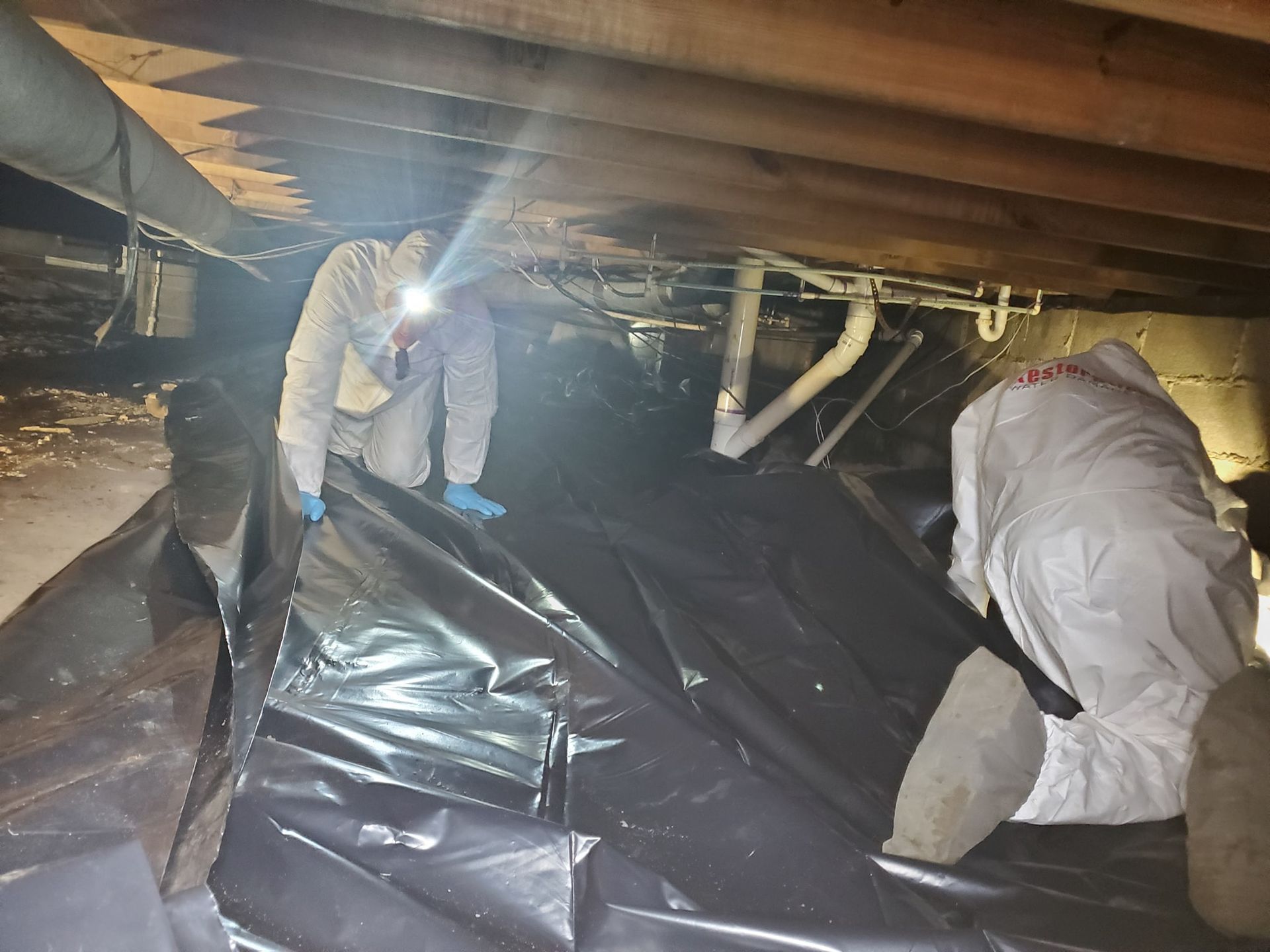
Technicians place low-profile dehumidifiers and air movers inside the crawl space, and they may install vapor barriers or remove wet insulation if it cannot be dried in place without creating conditions for mold.
Why do you measure moisture in walls that look dry?
Drywall and insulation absorb water and hold it against the framing, where it causes swelling, odor, and microbial growth even when the surface appears intact, so moisture meters detect problems before they become visible.
When should you call for water damage restoration in Evansville?
You should call as soon as you notice water where it does not belong, because the first 24 to 48 hours determine whether materials can be saved or must be removed, and faster response reduces total repair costs.
What happens if water sits too long before drying begins?
Wood begins to swell and warp, adhesives in flooring fail, and mold spores begin colonizing damp surfaces, which means you will face more extensive material removal and higher restoration costs than if drying had started immediately.
Restoration 1 of Evansville responds around the clock to begin extraction and drying while conditions still allow materials to be saved. Reach out to start the mitigation process and reduce the scope of reconstruction your property will require.