
When Hidden Growth Appears After Water Problems
Mold Removal in Evansville for attics, crawl spaces, and damp areas where colonies form after leaks or high humidity persist
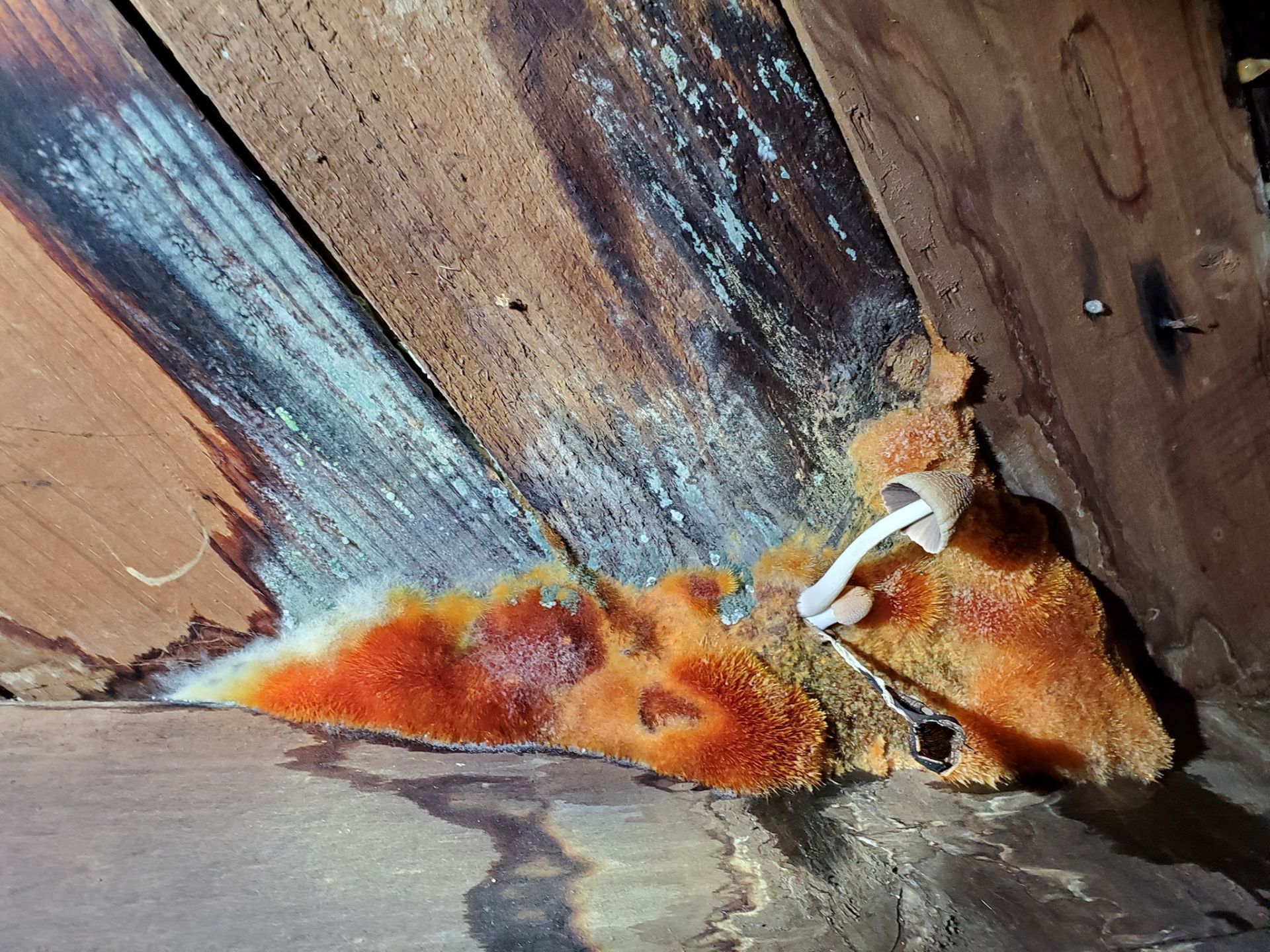
Restoration 1 of Evansville provides mold removal when you find dark patches spreading across ceiling joists, smell a musty odor in your basement, or notice discoloration behind furniture that has been against an exterior wall all winter. You require this service after a slow roof leak goes unnoticed for months, a crawl space floods and does not dry completely, or a bathroom exhaust fan vents into the attic instead of outdoors. The colonies you see on the surface indicate a moisture problem that has been present long enough for spores to settle and grow.
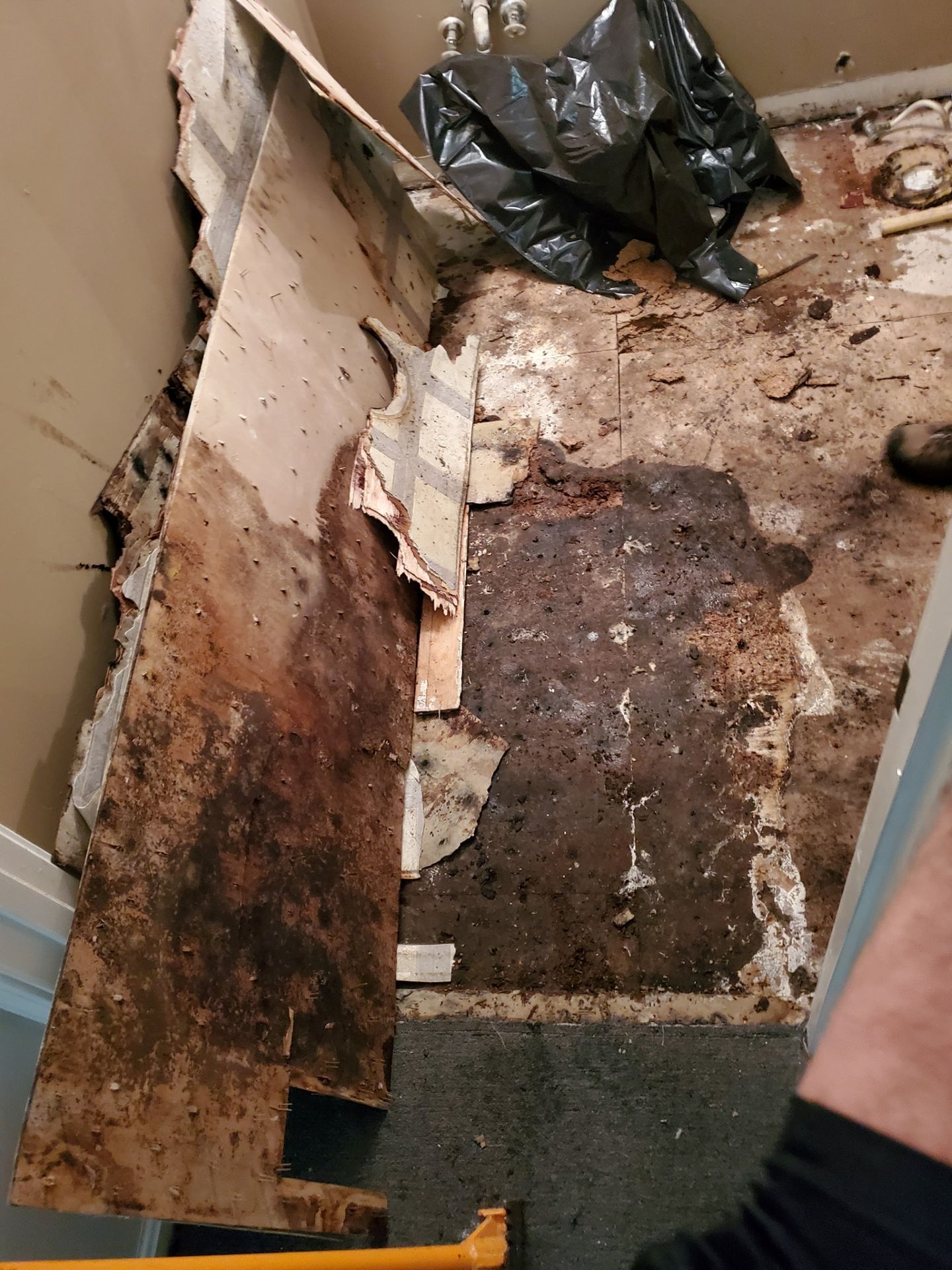
The work begins with containment to prevent spores from spreading into unaffected areas during removal. Technicians use moisture meters and thermal imaging to locate hidden water sources feeding the growth, because removing visible mold without correcting the underlying moisture problem leads to recurrence within weeks. Affected materials such as drywall, insulation, or subflooring are removed and disposed of according to containment protocols, and remaining surfaces receive antimicrobial treatment to eliminate residual spores. Air filtration equipment runs throughout the process to capture airborne particles released during removal.
If you are managing visible mold or persistent odors in your home, contact the team to begin moisture detection and containment before the affected area expands further.
What Happens During Mold Containment and Removal
You will notice plastic barriers sealing off the work area and negative air machines creating airflow that prevents spores from migrating into adjoining rooms. Technicians remove porous materials that cannot be adequately cleaned, and they treat remaining structural components with antimicrobial solutions that prevent regrowth. The moisture source is identified and addressed, whether that means repairing a plumbing leak, improving ventilation, or rerouting drainage away from the foundation.
After mold removal is complete, the musty odor fades, and you no longer see discoloration spreading along walls or ceilings. Restoration 1 of Evansville provides documentation showing the areas treated, the materials removed, and the steps taken to prevent recurrence. Your indoor air quality improves as spore counts drop, and the risk of respiratory irritation decreases for household members sensitive to mold exposure.
The service includes moisture detection and material removal but does not include reconstruction such as installing new drywall or repainting. Homeowners sometimes attempt to clean mold with bleach, but surface cleaning does not address growth inside porous materials, and disturbing colonies without containment spreads spores throughout the home, which increases the scope of remediation required when professionals eventually respond.
Answers to Mold Remediation Questions
Property owners facing mold problems often ask about health risks, containment procedures, and what happens if the moisture source is not identified and corrected.
How do you prevent mold from spreading during removal?
Containment barriers made of heavy plastic seal the work area, and negative air machines equipped with HEPA filters create lower pressure inside the containment zone so that airflow moves inward rather than allowing spores to escape into clean areas.
What materials need to be removed when mold is present?
Porous materials such as drywall, insulation, ceiling tiles, and carpet padding cannot be adequately cleaned once colonized and must be removed, while non-porous surfaces like metal and glass can be treated and salvaged if structurally sound.
Why does mold return after it has been cleaned?
Mold returns when the moisture source remains unaddressed, because spores are always present in the air and will colonize any damp surface, so identifying and eliminating the water intrusion or humidity problem is the only way to prevent recurrence.
When should you call for mold removal in Evansville?
You should call when you notice visible growth, detect persistent musty odors, or find water damage that has been present for more than 48 hours, because colonies form quickly once conditions become favorable and early intervention limits the scope of material removal.
What happens if mold is left untreated?
Colonies continue spreading across surfaces, releasing spores that degrade indoor air quality, and the affected materials weaken as mold digests organic compounds, which eventually requires more extensive and costly reconstruction to repair structural damage.
Restoration 1 of Evansville responds to mold concerns with thorough moisture detection and proper containment. Reach out to begin remediation and prevent further colonization in areas already showing growth.