
When Smoke Odor Remains After Fire Stops
Fire and Smoke Damage Restoration in Evansville for persistent soot deposits, odor penetration, and surfaces that retain corrosive residue
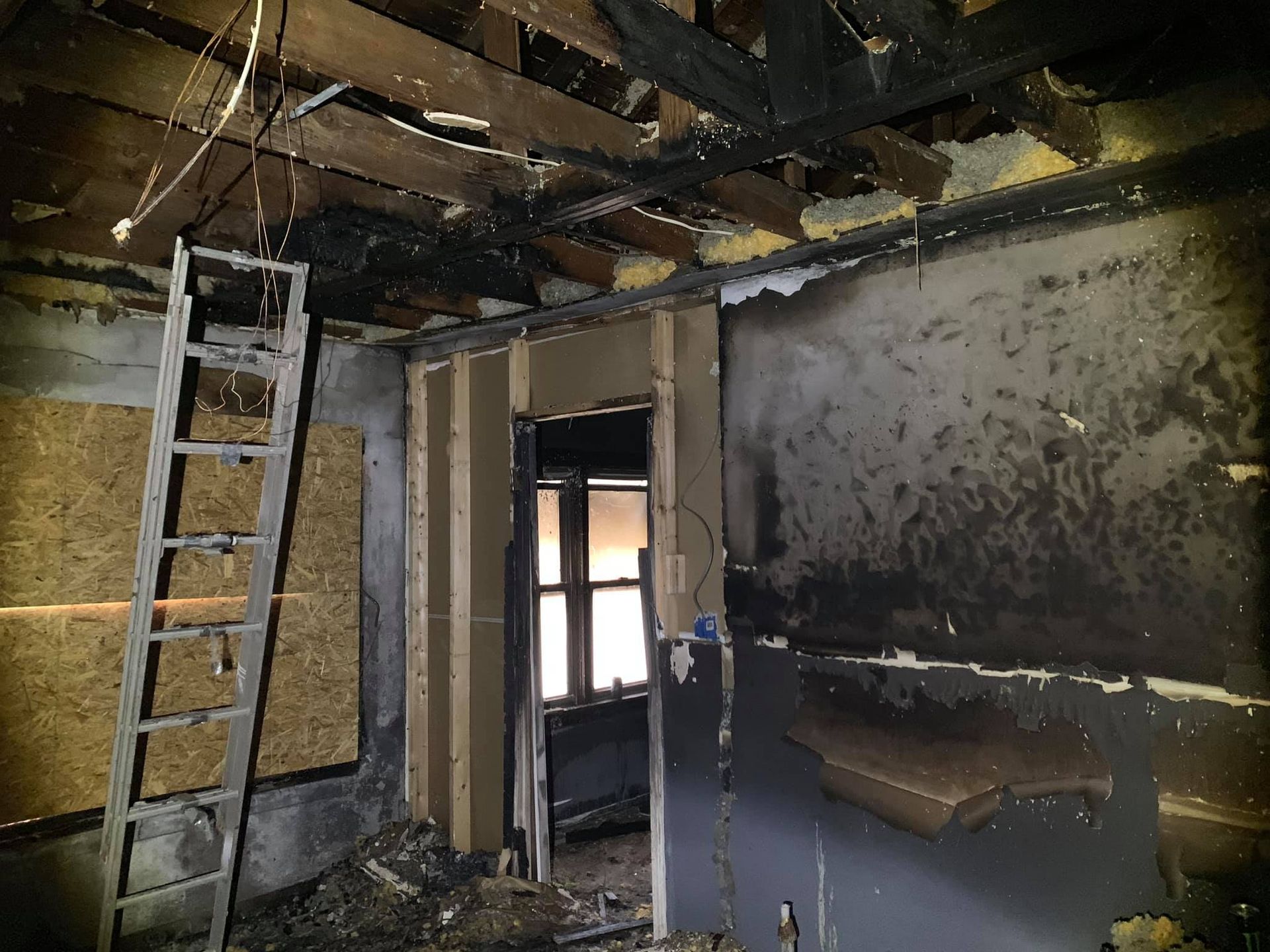
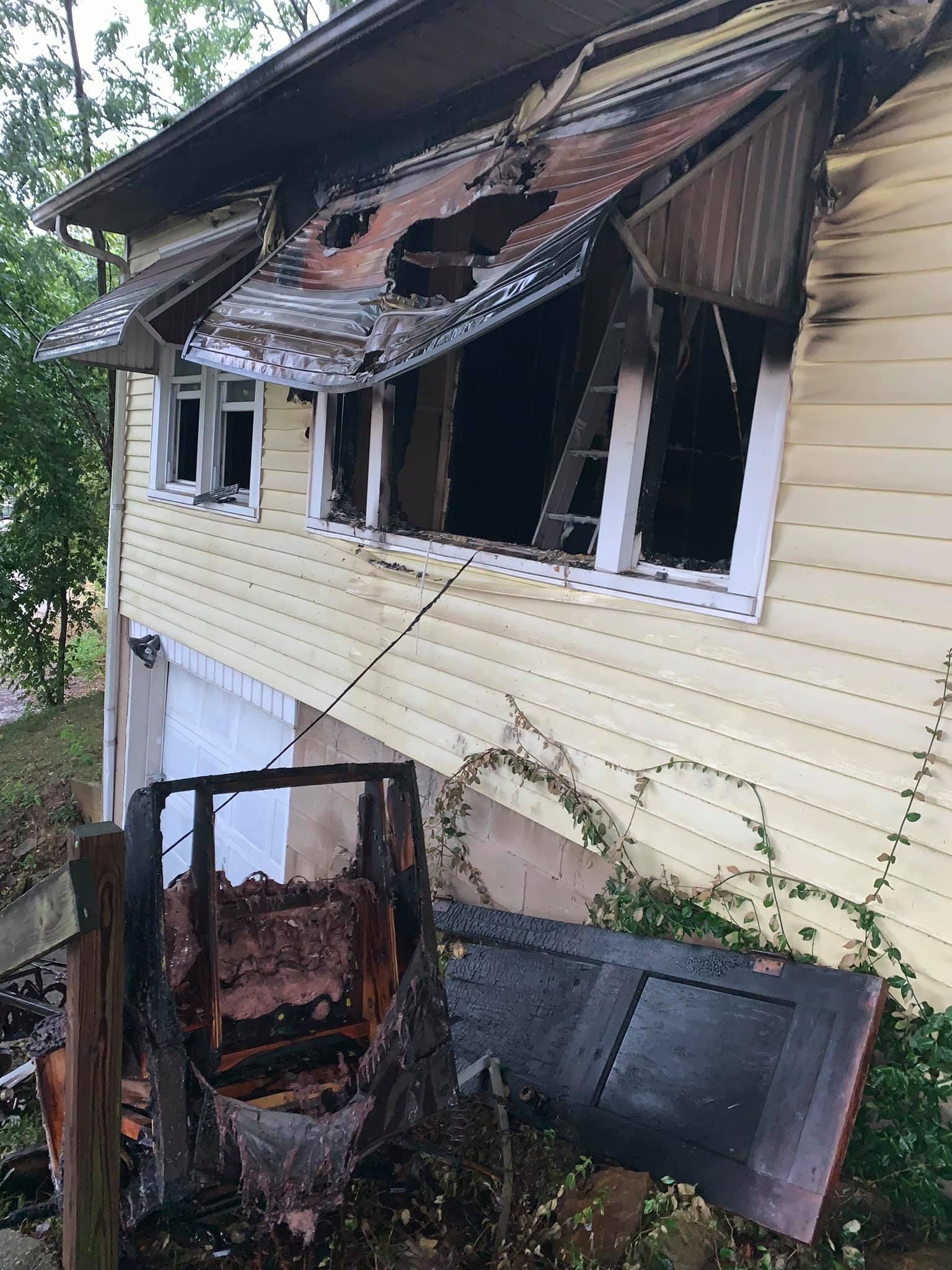
Restoration 1 of Evansville manages fire and smoke damage restoration when flames have been extinguished but the residue from combustion has settled on walls, ceilings, contents, and inside HVAC ductwork. You need this service after a kitchen fire spreads into the attic, an electrical malfunction ignites wall cavities, or a neighboring unit burns and sends smoke throughout your building. The odor and discoloration left behind do not disappear with basic cleaning, and soot continues to corrode metal surfaces and etch glass if left untreated.
The work begins with debris removal and surface stabilization, followed by detailed cleaning of walls, ceilings, and fixtures using specialized cleaning agents formulated for different types of soot. Protein-based residue from kitchen fires requires different treatment than the oily soot from synthetic materials. Technicians apply deodorization methods including thermal fogging and ozone treatment to neutralize odor molecules embedded in porous materials. Salvageable contents such as furniture and textiles receive off-site cleaning when necessary, while items too damaged to restore are documented for your insurance claim.
If your property has been affected by fire or smoke, reach out to begin soot removal and odor treatment before corrosive residue causes additional damage to metal and glass surfaces.
What Changes After Smoke Residue Is Removed
You will notice that the sharp, acrid odor fades as technicians treat affected materials, and surfaces that appeared permanently stained become visibly lighter after specialized cleaning. Metal fixtures and hardware no longer show the pitting and corrosion that develops when acidic soot remains in contact with those surfaces for more than a few days. Restoration 1 of Evansville documents each phase of cleaning and provides photographic records that insurance adjusters use to assess the scope of restoration required.
After cleaning and deodorization, your ceilings will no longer show streaks of soot tracking along joists, and you will not smell smoke when you open closets or cabinets. The air quality improves as residue is removed from surfaces where it would otherwise continue releasing odor particles. Your adjuster receives a detailed report listing the cleaning methods applied, the materials treated, and the contents removed or restored.
The service includes content cleaning and debris removal but does not include reconstruction such as replacing drywall or repainting. Homeowners sometimes attempt to clean soot themselves using household cleaners, but improper methods can spread residue into unaffected areas or set stains permanently into porous surfaces, which increases the cost and difficulty of professional restoration when it finally begins.
Common Questions About Fire Damage Cleanup
Property owners dealing with fire damage often ask about odor removal, content salvage, and how long the restoration process takes when smoke has traveled through multiple rooms.
How do you remove smoke odor that remains after cleaning?
Advanced deodorization uses thermal fogging to replicate the heat and particle size of smoke, allowing treatment agents to penetrate the same areas where odor molecules have settled, and ozone generators break down odor compounds at the molecular level in enclosed spaces.
What types of soot require different cleaning methods?
Protein residue from food fires leaves a strong odor and requires enzyme-based cleaners, while synthetic soot from plastics and fabrics produces an oily film that needs solvent-based products, and each type damages surfaces differently if not addressed promptly.
Why does soot need to be removed quickly?
Soot contains acids that etch glass, tarnish metals, and discolor porous surfaces, and the longer it remains in contact with these materials, the more permanent the damage becomes, often requiring replacement rather than cleaning.
When should you call for fire damage restoration in Evansville?
You should call as soon as the fire department clears the scene, because corrosive soot begins damaging surfaces within hours, and rapid response allows more contents and structural materials to be saved rather than replaced.
What happens to contents that cannot be cleaned?
Items too damaged to restore are photographed, inventoried, and documented for your insurance claim, and the disposal follows protocols that satisfy adjuster requirements for loss verification.
Restoration 1 of Evansville responds quickly to fire scenes to begin soot removal and odor control before damage becomes permanent. Contact the team to start the cleaning process and preserve as much of your property as possible.