Clearing Contamination From Your HVAC System
Air Duct Cleaning in Evansville for removing smoke, dust, and debris from ventilation systems after fire or water events
Restoration 1 of Evansville performs air duct cleaning when smoke, mold spores, construction dust, or water-damaged debris has entered your HVAC system and is circulating through your home or business. You need this service after a fire, flood, or major renovation when you notice persistent odors, visible dust blowing from vents, or reduced airflow in certain rooms. This work is for property owners in Henderson who want to restore indoor air quality and prevent contaminants from spreading every time the furnace or air conditioner runs.
The service involves sealing off supply and return vents, then using high-powered vacuums and rotary brushes to dislodge and extract particles clinging to duct walls, registers, and air handlers. Fire soot, drywall dust from reconstruction, and biological growth from water intrusion all settle inside ductwork where they resist standard cleaning efforts. Professional-grade equipment reaches deep into the system to remove buildup that household filters cannot capture.
If you are dealing with lingering smoke odor or poor air quality in Evansville after a restoration event, contact Restoration 1 of Evansville to schedule duct inspection and cleaning.
What Changes After Ducts Are Cleaned
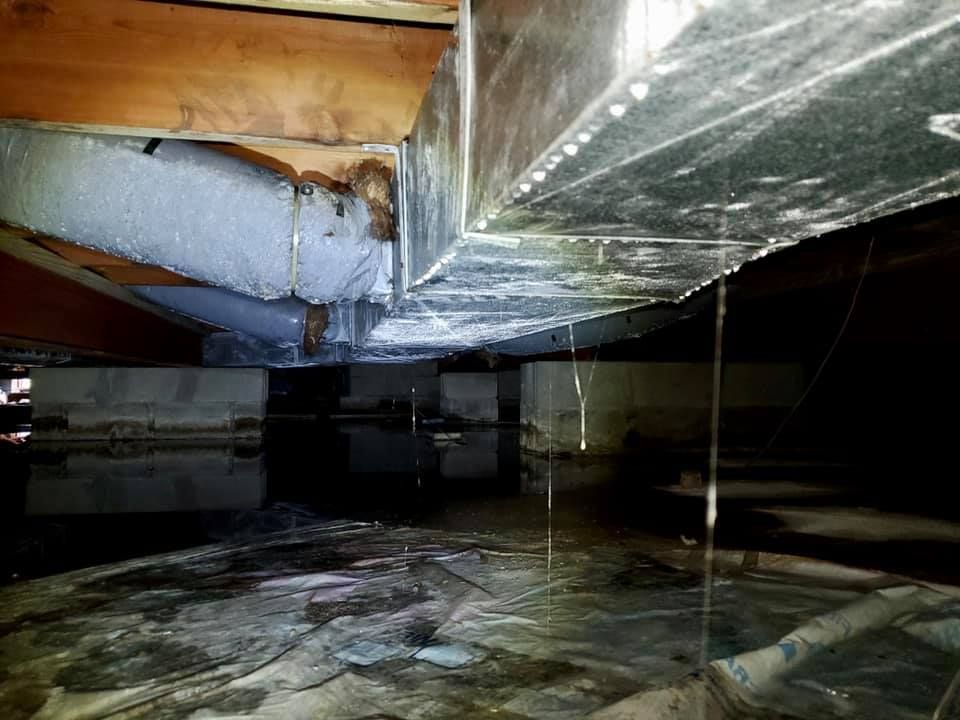
You will notice stronger airflow from vents as blockages and buildup are removed, and the smell of smoke or mustiness will diminish significantly once contaminated particles are extracted from the system. Technicians clean the blower compartment, evaporator coil, and supply plenums in addition to the ductwork itself, addressing all points where dust and debris accumulate. The system runs more efficiently when air can move freely through clean passages.
After cleaning, you will see less dust settling on furniture and fewer odors returning when the HVAC cycles on. Restoration 1 of Evansville uses containment barriers and negative air pressure to prevent dislodged particles from entering living spaces during the process. The goal is to eliminate contamination sources that continue to affect air quality long after visible damage has been repaired.
This service does not include furnace repair, duct replacement, or insulation work, though those needs may become apparent during inspection. Air duct cleaning is most effective when performed after structural drying and reconstruction are complete, preventing recontamination from ongoing work. The service is especially important after fire or mold remediation, where microscopic particles embed in duct surfaces and resist passive ventilation.
Questions About HVAC and Duct Cleaning
These are questions that property owners in Evansville ask when considering air duct cleaning following a restoration event.
What equipment is used to clean air ducts?
Truck-mounted vacuums, HEPA filtration units, and rotating brush systems are used to scrub duct walls and pull debris through sealed access points without releasing it into the home.
How long does air duct cleaning take for a typical home?
Most residential systems are cleaned in three to five hours, depending on the number of supply and return vents and the extent of contamination inside the ductwork.
Why is duct cleaning recommended after fire damage in Evansville?
Smoke particles and soot settle inside ducts and continue to circulate through the air every time the system runs, reintroducing odors and health hazards even after surfaces are cleaned.
When should ducts be cleaned during a restoration project?
Cleaning is most effective after drywall, painting, and flooring work are finished, so construction dust does not immediately recontaminate the freshly cleaned system.
What should I do with my HVAC system before duct cleaning begins?
Turn off the furnace or air conditioner and replace the filter afterward, as cleaning dislodges material that can clog a dirty filter quickly once airflow resumes.
Restoration 1 of Evansville coordinates duct cleaning with the overall restoration timeline to protect air quality and system performance. Contact them to arrange inspection and cleaning after fire, water, or mold events that may have compromised your ventilation system.